Inside French Agricultural Education
As part of the 2023 institutional agreement, five Irish teachers spent five days in France from 13 to 17 May 2025.
The 5 teachers come from different ‘COLLEGES’ in the TEAGASC network: Kildalton, Clonakilty, Dublin, Pallaskenry and Ballyhaise. There are 7 schools in the Republic of Ireland that offer only agricultural training.
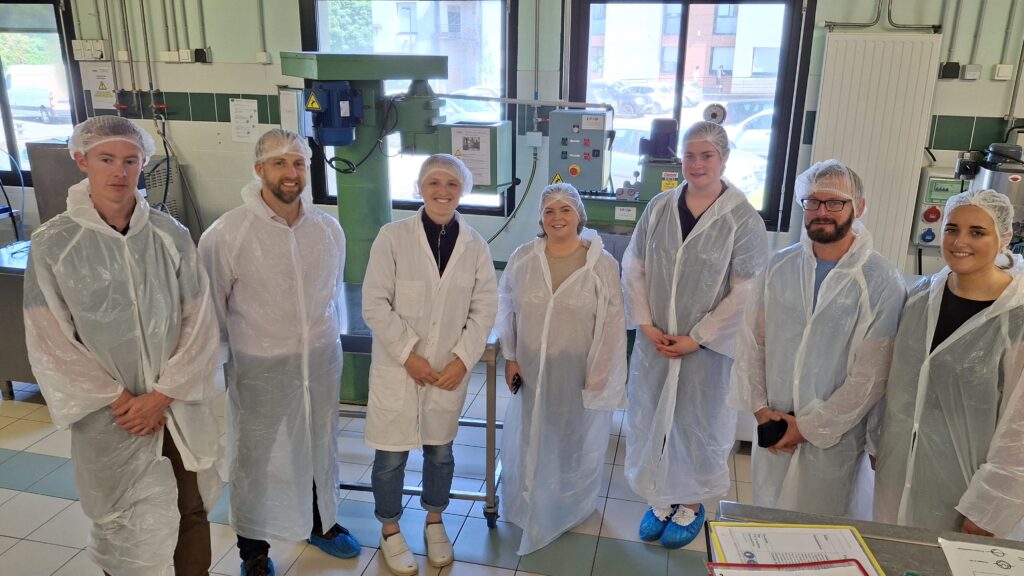
During their stay in France, our Irish colleagues were able to visit the agricultural colleges in Quétigny, Plombières lès Dijon, Bourg en Bresse, Lons-le-Saunier Mancy and Montmorot. Each agricultural college was keen to present its courses and facilities. This gave our partners an opportunity to find out about the job of Conseiller Principal d’Education (CPE), which does not exist in Ireland. Students ‘clock in’ when they arrive at their school and teachers ‘don’t clock out’.
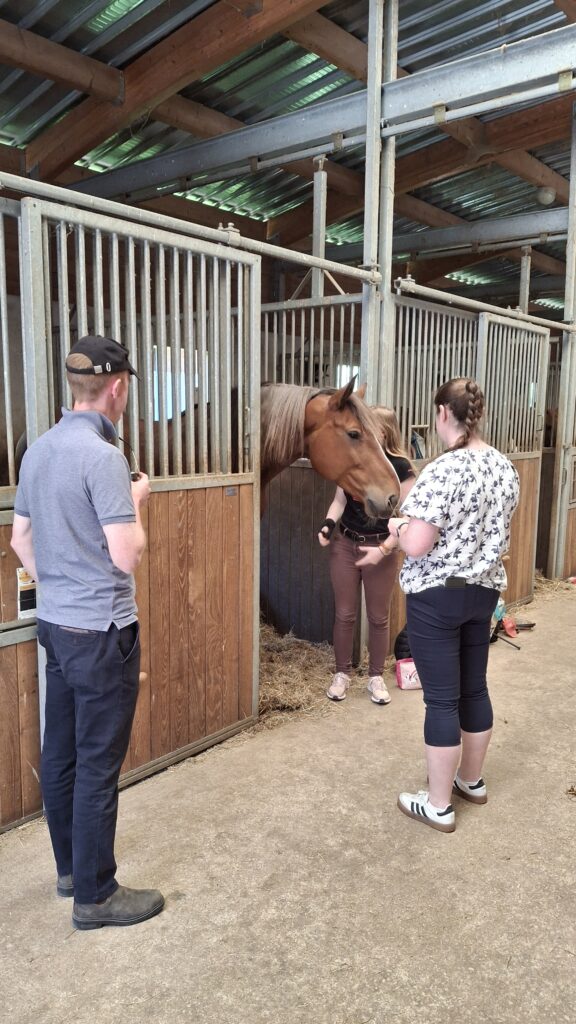
They appreciated the existence of hourly call-outs and the presence of the CPEs and education assistants, which our colleagues saw as a guarantee of lower absenteeism compared to the Irish system. Another discovery for them was the fact that farms or processing workshops must generate income, a requirement that does not exist in the TEAGASC network of schools. They were also struck by the impression that farms in French agricultural establishments focus more on quality than quantity, which is no doubt the result of the requirement for farms to have their own income. The concept of fruitières à Comté or viticoles, with production and processing close together and farmers at the centre of the system, was a pleasant discovery. In Ireland, farmers are also grouped into cooperatives, but the number of members is much higher. The processing site can be a long way from the production site.
Our Irish colleagues were also particularly interested in the possibilities for supporting pupils and students with special needs, in particular the presence of support staff for pupils with disabilities (AESH) in the classroom. They were also pleasantly surprised to discover the presence of processing workshops in agricultural vocational training establishments, as the TEAGASC teaching system is purely productive.
The teachers came away delighted with the experience and will be encouraging their colleagues to apply for future incoming exchanges to France. Their mobility was funded by Erasmus+, which TEAGASC benefited from for the first time this academic year 2024-2025, thanks in particular to our exchanges and sharing of “Erasmus” practices.
Mr Gobl, who is in charge of agricultural affairs at the Irish embassy in Paris, was present during the visit to the agricultural establishment in Bourg-en-Bresse. The visit gave him a better understanding of our training system. It was an experience he was keen to repeat at the end of this school year, when another Irish delegation from the establishment based in Gurteen, County Tipperary, was due to visit Lons-le-Saunier, in Mancy, at the end of June 2025, to find out more about the equestrian industry.
Contact : Frédéric Mesure, coordinator of the UK/Ireland agricultural education network, frederic.mesure@educagri.fr